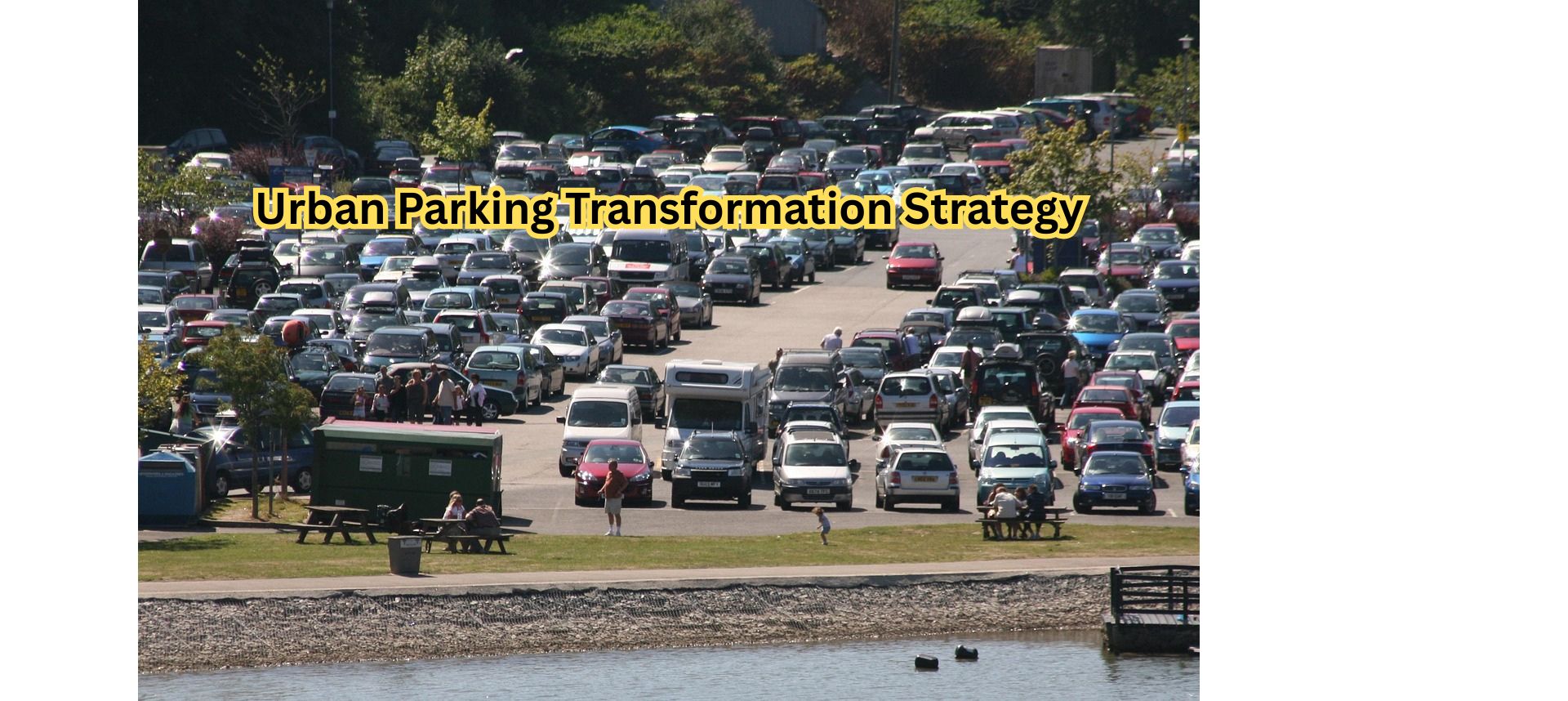
Urban Parking Transformation Strategy
The goal of the Urban Parking Transformation Strategy is to transform conventional parking systems into more intelligent and effective ones. By combining technology, data, and planning, the Urban Parking Transformation Strategy tackles the increasing urban congestion challenges faced by modern cities. In quickly growing metropolitan settings, the Urban Parking Transformation Strategy seeks to maximize space utilization, lessen traffic caused by parking searches, and enhance the overall experience for businesses, local authorities, and drivers.
Challenges in Traditional Urban Parking
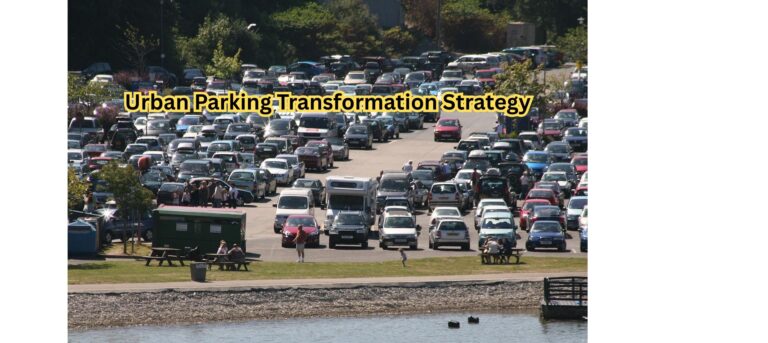
Problems with traditional urban parking include space constraints, inadequate availability visibility, manual operations, and traffic congestion. Drivers increase fuel usage and pollution by wasting time looking for parking. Parking operations are expensive and unreliable, and cities become less livable due to ineffective regulation and a lack of real-time data.
Role of Smart Technology in Parking Transformation
Smart technology drives the evolution of urban parking by integrating sensors, cameras, mobile apps, and cloud platforms. Digital permits, automatic payments, and real-time parking availability streamline operations. By monitoring usage, enhancing enforcement, and giving drivers accurate information, these solutions help cities make parking easier and more predictable.
Data-Driven Planning and Optimization
Cities can examine parking demand, peak hours, and usage trends through data-driven planning. Authorities can design future infrastructure, allocate spaces effectively, and modify prices using analytics and AI. This strategy guarantees that parking resources are in line with real urban mobility needs and development objectives, lessens crowding, and enhances revenue management.
Future of Urban Parking Systems
Automated, fully integrated ecosystems linked to smart city platforms are the way of the future for urban parking. Parking will be redefined by contactless access, predictive analytics, and smooth public transportation integration. As urban populations and mobility demands increase, the Urban Parking Transformation Strategy makes sure cities stay flexible, effective, and user-friendly.
About the Author